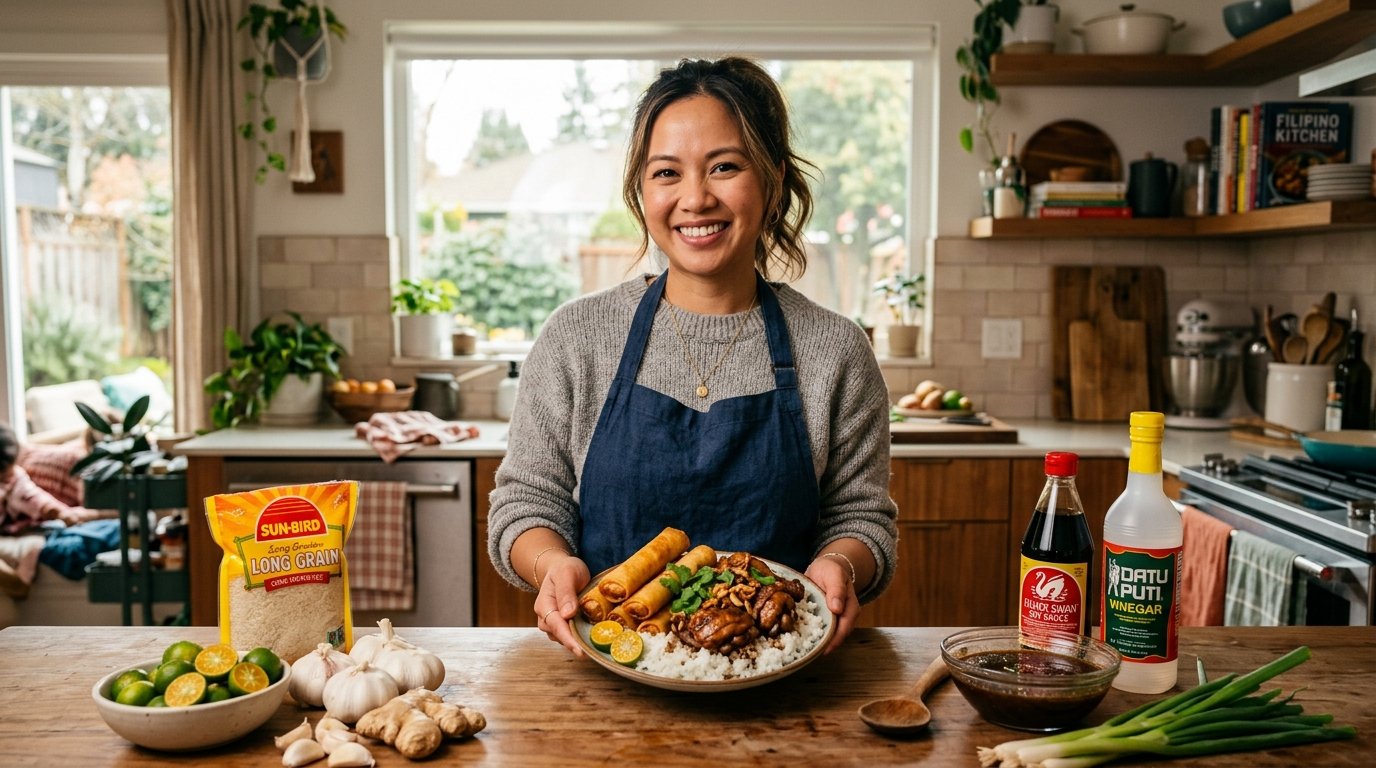
Many people enjoy cooking food from different cultures because it brings families together and helps us learn new flavors. If you want to explore Filipino cooking mixed with American touches, one special book stands out. This is Amboy: Recipes from the Filipino-American Dream. It is more than just a list of recipes. The book tells the personal story of chef Alvin Cailan, who grew up as a Filipino-American kid. He felt caught between two worlds, and food helped him find his way.
In this honest and in-depth guide, we will look at what makes the book special. We will talk about the stories inside it, the kinds of recipes you will find, how easy or hard they are to make, and who might enjoy it the most. This review will help you decide if the book is right for your kitchen. Because food connects people across cultures, this cookbook offers a warm and real look at one chef’s journey.
Who Is Alvin Cailan and Why Does His Story Matter?
Alvin Cailan is a well-known chef. He started the popular Eggslut restaurant in Los Angeles, where people lined up for creative egg sandwiches. He also hosts a fun show about burgers. Yet his path to success was not easy or straight. He grew up in a Filipino immigrant family in East LA. At home, he ate traditional Filipino dishes. Outside, he lived an American life. This mix made him feel like an “amboy” – a term for Filipinos raised in America.
The book shares these feelings openly. Cailan talks about times when he did not feel Filipino enough or American enough. Over time, cooking became his bridge between the two cultures. This personal touch makes Amboy different from many other cookbooks. Readers do not just learn how to cook. They also understand the heart and struggles behind the food. That is why the book feels warm and honest, like listening to a friend tell family stories while you prepare dinner together.
The Unique Style of the Book
One of the first things you notice about Amboy is how it is written. It mixes memoir, interviews, and recipes in a smooth way. The chapters follow important parts of Cailan’s life. For example, early sections focus on his mom and dad, his summers in the Philippines, and time with his grandmother, or “Lola.” Later chapters cover his restaurant adventures and big dreams.
This structure helps the book flow naturally. You read a story about family life, and then you see a recipe that connects to that memory. After that, another story builds on the first one. Because of this, the pages feel alive. The writing is friendly and full of energy. It is like Cailan is sitting in your kitchen, explaining why a certain dish matters to him.
Photos in the book are bright and inviting. They show finished plates of food as well as family moments. This visual style makes you want to try the recipes right away. In addition, the book includes input from co-author Alexandra Cuerdo, which adds even more depth to the Filipino-American experience.
What Kinds of Recipes Will You Find?
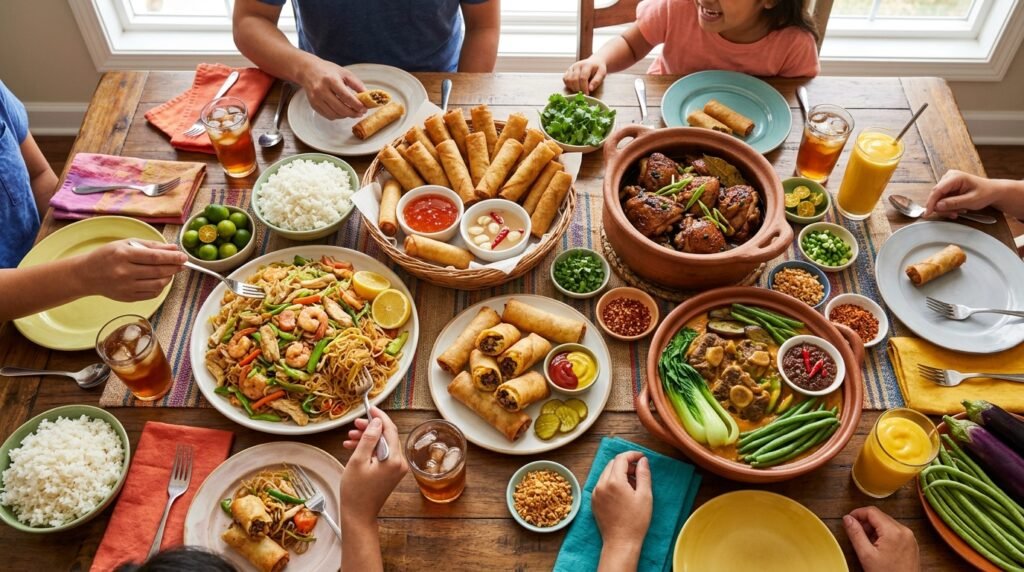
Amboy has more than 100 recipes. They range from simple family favorites to creative new ideas. Many recipes come from Cailan’s childhood and family traditions. Others show how he blended Filipino roots with American or other influences.
For starters, you will see classic dishes like adobo, which is a tasty stew with meat, vinegar, and soy sauce. There is also an “Amboy Adobo” version that puts a personal spin on the traditional one. You can learn to make pancit, which are noodles mixed with vegetables and proteins. Lola’s Pancit Bihon is a great example that brings comforting flavors to the table.
Other family recipes include lumpia, which are crispy rolls filled with meat or other good things. One fun version is cheeseburger lumpia, which mixes American burger ideas with Filipino wrapping techniques. This shows how Cailan plays with flavors in a creative way. There are also rice dishes, soups like beef nilaga, and sweet treats such as pan de sal rolls.
The book does not stop at traditional food. It includes items inspired by Cailan’s restaurant life, like special egg preparations or fusion ideas. For example, there are versions of kare-kare, a peanut-based stew, that might include Japanese curry elements. These creative touches help home cooks see new possibilities. Because the recipes build on basic techniques, beginners can start simple and grow more confident over time.
How Easy Are the Recipes for Home Cooks?
This is an important question for many readers. Amboy offers recipes for different skill levels, which is helpful. Some dishes are very easy. One example is a roast chicken using a simple tamarind soup packet. You just season the chicken and put it in the oven. Even new cooks can succeed with it.
Other recipes take more time and care. Making lumpia wrappers from scratch or roasting a whole pig for lechon requires planning and practice. That is why the book feels balanced. You can pick easy meals for busy weeknights. On weekends or special days, you can try bigger projects that feel rewarding.
Ingredients are another point to consider. Many are easy to find at regular stores, such as garlic, soy sauce, vinegar, and rice. However, some special items like certain vinegars, fish sauce brands, or fresh calamansi might need a trip to an Asian market. If you cannot find everything locally, online shopping works well. The book often suggests good brands, which helps you get the right taste.
Tips inside the recipes make cooking smoother. For instance, Cailan explains why you should not mix Filipino spaghetti before serving or how to get the perfect crisp on lumpia. These small details turn good cooking into great cooking. In addition, the stories before each recipe give you reasons to keep trying even if the first attempt is not perfect.
Who Will Enjoy This Cookbook the Most?
Amboy is a wonderful choice for several types of readers. Families with Filipino roots will love the connection to childhood memories and passed-down recipes. People who want to learn more about Filipino food will find clear explanations and inspiring stories. Food lovers who enjoy fusion cooking will appreciate the creative combinations.
Beginner cooks can start with simpler recipes and build skills. Experienced cooks will enjoy the deeper techniques and chances to experiment. Even people who just like reading about culture and personal journeys will find value here, because the book reads like a memoir with recipes included.
One unique angle is how it shows the immigrant experience through food. Many readers from different backgrounds can relate to feeling between two cultures. That emotional layer adds fresh value beyond the kitchen.
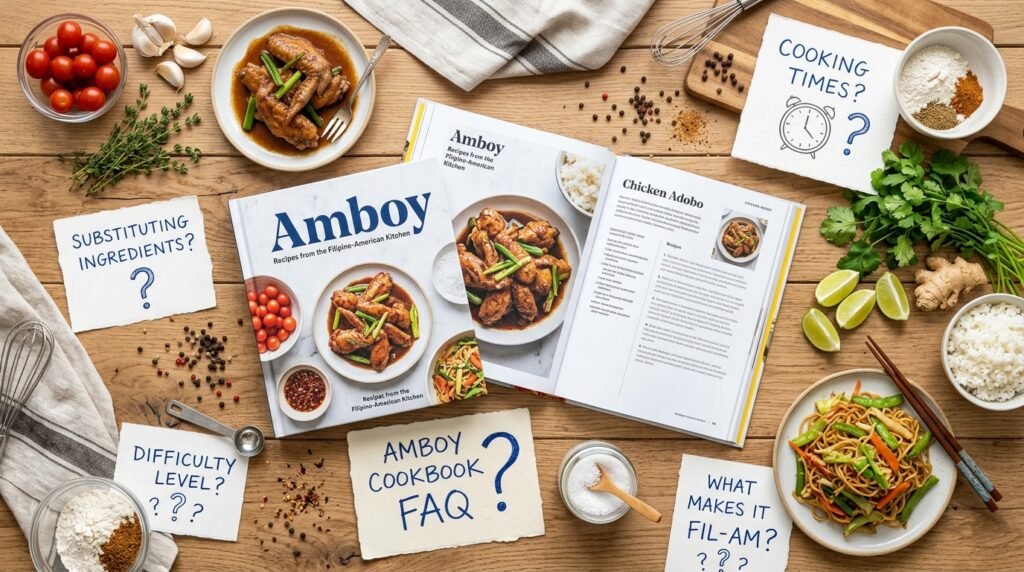
Common Questions About Amboy Cookbook
Is this book only for expert chefs?
No. It has recipes for all levels. You can begin with easy ones and move to harder ones when you feel ready.
Does it require many hard-to-find ingredients?
Some do, but most have easy swaps or notes. Shopping at Asian stores or online helps a lot.
How personal is the writing?
Very personal. The stories make you feel close to Cailan’s family and life experiences.
Are there vegetarian or lighter options?
Yes. Some recipes use vegetables or lentils, like kare-kare lentils, so there are choices for different diets.
Is it good for beginners who have never cooked Filipino food?
Absolutely. The step-by-step guidance and background stories help new cooks understand why things work a certain way.
Will kids enjoy the food from this book?
Many recipes, like sweet spaghetti or cheesy lumpia, are family-friendly and fun for children.
How does it compare to other Filipino cookbooks?
It stands out because of the strong personal story and American-Filipino fusion ideas. It feels modern and heartfelt.
Final Thoughts on This Filipino-American Cookbook
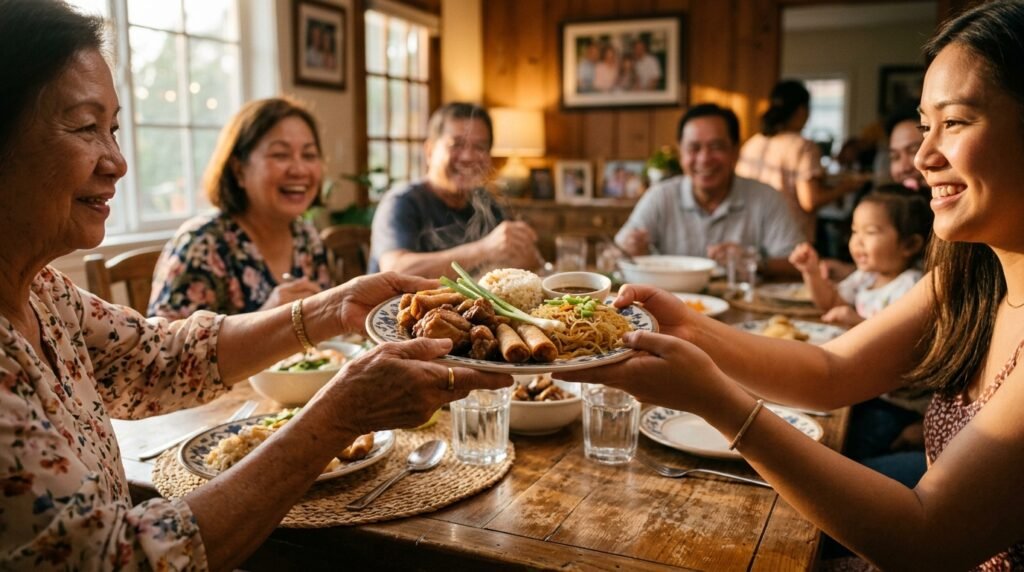
Amboy: Recipes from the Filipino-American Dream is a special book that goes beyond cooking instructions. It shares culture, family love, and personal growth through delicious food. Chef Alvin Cailan opens his life and kitchen to readers in a way that feels genuine and encouraging. The recipes are tasty, the stories are moving, and the overall message is one of pride and possibility.
If you want to bring new flavors to your table while learning about resilience and identity, this cookbook is worth adding to your collection. It will help you cook great meals and also think more deeply about the role of food in our lives. Cooking from it can become a way to connect with your own roots or explore someone else’s with respect and joy. In the end, that is the true beauty of a book like this – it feeds both the body and the heart.
Disclaimer:
This is an honest, independent review based on available information about the book. It is for informational purposes only and does not replace your own research or judgment. Results when cooking may vary depending on ingredients, equipment, and experience. Always follow safe cooking practices. This article is not affiliated with the author, publisher, or any sales platforms.
Leave a Reply