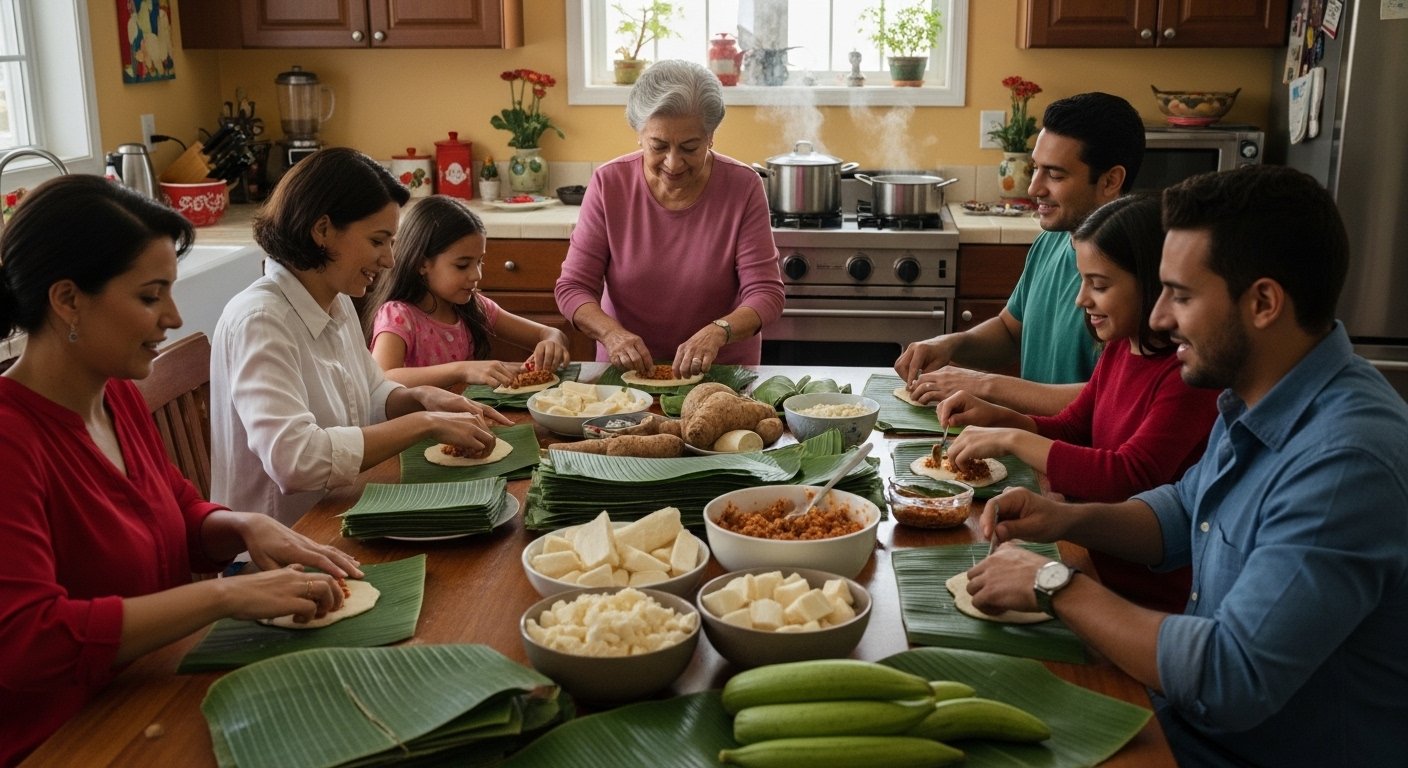
Pasteles are a special Puerto Rican dish that many people love to eat during the holidays. This authentic recipe for pasteles Puerto Rican shows you how to make them at home in a traditional way. Families in Puerto Rico often gather together to prepare these tasty bundles because they bring everyone closer. The soft masa made from root vegetables wraps around a flavorful meat filling, and the banana leaves give a nice smell while they cook. Making pasteles takes time, but the results feel warm and comforting, just like a big hug from the kitchen. In addition, this homemade guide breaks everything into simple steps so even beginners can try it with confidence. Over time, many families have passed down their own little changes, but the heart of the recipe stays the same.
What Are Pasteles and Why Do People Love Them?
Pasteles are like little packets of goodness. You make a soft dough called masa from green bananas and other root vegetables. Then you add a savory filling, usually stewed pork. After that, you wrap everything in banana leaves and parchment paper before boiling it gently. This means the flavors mix together nicely while the masa becomes tender.
People enjoy pasteles because they taste rich and satisfying. The banana leaf adds a special earthy smell that you cannot get any other way. That’s why many Puerto Rican families make dozens of them before Christmas. They eat some right away and freeze the rest for later meals. Another thing is that pasteles remind everyone of home and happy times with loved ones. For example, grandparents often tell stories while peeling vegetables together. This shared work makes the food even more meaningful.
A Short History of Pasteles in Puerto Rican Culture
Pasteles have roots that go back many years in Puerto Rico. The idea came from a mix of cultures. Native Taino people used banana leaves for cooking. African influences brought root vegetables like yautia and green bananas. Spanish flavors added sofrito and spices. Over time, these parts blended into one delicious dish.
Today, pasteles are a Christmas tradition, but families also make them for other celebrations. Because they take effort, people often turn the cooking day into a party. Everyone helps with different jobs, from chopping meat to tying the packets. This teamwork keeps the custom alive and strong.
Ingredients You Need for Authentic Pasteles
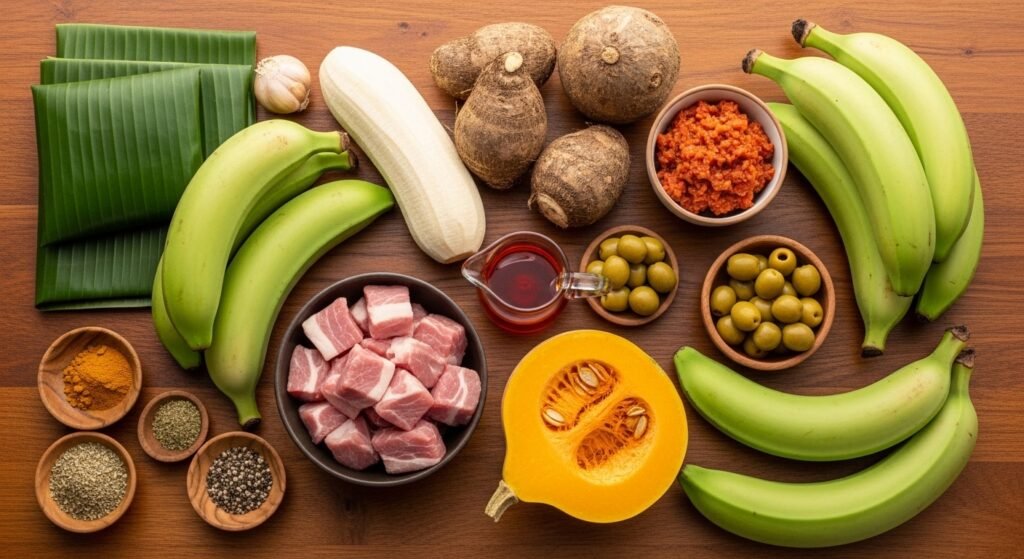
You will need simple, fresh ingredients that you can find at many grocery stores or Latin markets. Start with the masa, which is the outer part. For a good batch that makes about 12 to 18 pasteles, gather these items.
For the masa:
- About 2 pounds of very green bananas
- 1 to 2 pounds of yautia (also called taro root)
- 1 pound of calabaza (tropical pumpkin or kabocha squash)
- 1 or 2 green plantains
- A little potato if you want extra softness
- Achiote oil (made from annatto seeds) for color and flavor
- Salt and a touch of adobo seasoning
Next comes the filling. Most people use pork shoulder because it stays juicy. You will also need:
- 2 to 3 pounds of pork shoulder cut into small cubes
- Sofrito (a blend of onions, peppers, garlic, and cilantro)
- Tomato sauce
- Olives, capers, and sometimes chickpeas
- Spices like sazon, adobo, oregano, and bay leaves
- A little broth or water
In addition, you need supplies for wrapping:
- Fresh or frozen banana leaves
- Parchment paper or pasteles paper
- Cooking twine or string
These ingredients work together because the root vegetables make the masa smooth while the spices turn the meat into a tasty stew. Always choose firm green bananas because ripe ones will make the masa too sweet or sticky.
How to Prepare the Meat Filling Step by Step
Begin by making the filling because it needs time to cook and cool. Cut the pork into small pieces so it cooks evenly. Heat a little achiote oil in a big pot. Add the pork and let it brown on all sides. This step gives the meat nice color and locks in the juices.
After that, stir in sofrito and cook for a few minutes until it smells wonderful. Next, add tomato sauce, olives, capers, and spices. Pour in some water or broth and drop in bay leaves. Let everything simmer gently on low heat for about one to two hours. Stir now and then so nothing sticks to the bottom.
The meat becomes soft and full of flavor because the slow cooking lets the spices soak in deeply. When it is ready, the sauce should be thick but not dry. Take out the bay leaves and let the filling cool completely before you use it. This means the hot meat will not melt the masa later. Many families make the filling one day ahead because it tastes even better the next day.
Making the Masa the Traditional Way
The masa is the soft part that holds everything together. First, peel the green bananas, plantains, yautia, and calabaza. This job can feel tricky, but here is an easy tip: soak the green bananas in warm water for a few minutes. The skins come off much smoother after that.
Cut all the vegetables into small chunks. Then grate them by hand or use a food processor until they look like a thick, slightly grainy paste. Add achiote oil, salt, and a bit of broth or water to make the masa spread easily. Mix everything well until it feels smooth but not watery.
Because different root vegetables have different textures, the combination gives the perfect balance. Yautia makes it sticky while pumpkin adds sweetness and color. Taste a tiny bit and add more seasoning if needed, but remember the boiling water will add a little salt too. Keep the masa covered so it does not dry out while you work.
How to Wrap Pasteles the Right Way
Wrapping is an important skill that gets easier with practice. Set up a clean table with all your supplies ready. Lay a piece of parchment paper flat. Place a banana leaf on top and brush it lightly with achiote oil. The oil keeps the masa from sticking and adds beautiful color.
Scoop about half a cup of masa onto the leaf and spread it into a rectangle with the back of a spoon. Make a small well in the middle. Add two or three tablespoons of the cooled meat filling right in the center. You can also add a slice of red pepper, an olive, or a few chickpeas on top for extra taste.
Fold the banana leaf over the filling from both sides, then fold the ends like a little package. Wrap the parchment paper around it tightly. Tie the bundle with string in both directions so it stays closed while boiling. This careful wrapping protects the pastel and lets the flavors steam inside.
Another thing is to work with a friend or family member. One person can spread the masa while the other adds the filling. This teamwork makes the job faster and more fun.
Cooking Your Pasteles Perfectly
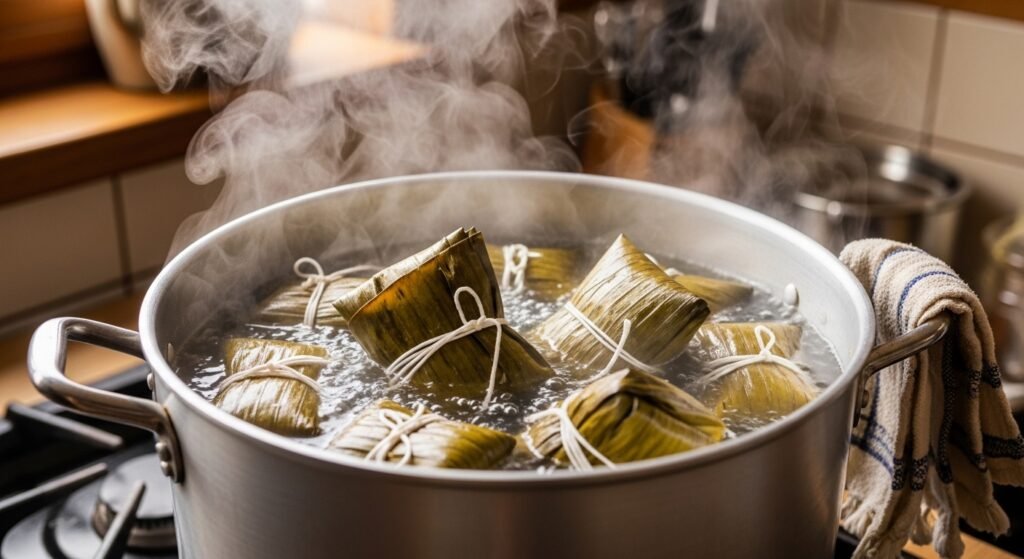
Fill a large pot with water and add a little salt. Bring it to a gentle boil. Carefully place the wrapped pasteles into the water. They should be covered but not crowded. Lower the heat so the water simmers softly.
Cook fresh pasteles for about 45 to 60 minutes. If they are frozen, give them 15 to 20 extra minutes, around 1 hour and 15 minutes total. You can test one by taking it out carefully with tongs. Open it and check if the masa feels firm and cooked through.
After cooking, let the pasteles drain on a plate for a few minutes. Then unwrap them slowly because steam will come out. The banana leaf gives a pretty shine and a special aroma that fills the kitchen.
Helpful Tips for Success and Mistakes to Avoid
Making pasteles the first time can feel big, but these tips help a lot. Always use very green bananas because they give the best texture. If the masa feels too loose, add more grated yautia next time. That’s why testing a small batch is smart.
Do not rush the filling. Let it simmer long enough so the pork becomes very tender. Another common mistake is wrapping too loosely. If the bundle opens in the water, the pastel can fall apart. Tie them firmly but not so tight that they burst.
In addition, freeze extra pasteles right after wrapping. Place them flat in freezer bags. This way you can enjoy homemade pasteles any time without starting from scratch. When boiling from frozen, never thaw them first because they hold their shape better this way.
Work in a cool kitchen if possible because the masa stays easier to handle. Also, keep a bowl of water nearby to rinse your hands when they get sticky. These small habits make the whole process smoother and less messy.
Common Variations of Pasteles
While pork is the classic choice, some families use chicken for a lighter taste. Others make vegetarian pasteles with chickpeas or mushrooms instead of meat. The masa can change too. Some people add more pumpkin for sweetness or use yuca for a different feel.
No matter the variation, the wrapping and boiling steps stay the same. This flexibility means you can adjust the recipe to what your family likes best. For example, adding a bit more spice gives a warmer flavor on cold days.
Serving Suggestions for Your Pasteles
Pasteles taste wonderful on their own, but many people serve them with other Puerto Rican favorites. A side of arroz con gandules (rice with pigeon peas) makes a complete meal. You can also add a simple salad or slices of avocado for freshness.
Serve them hot right after unwrapping. The steam carries all the good smells, and the masa feels soft while the filling stays juicy. Leftovers keep well in the fridge for a day or two, but most people reheat them by boiling again for a short time or steaming gently.
FAQ About Making Pasteles at Home
How long does it take to make pasteles from start to finish?
It usually takes several hours because of peeling, cooking the filling, and wrapping. Many people spread the work over two days to make it easier.
Can I freeze pasteles before cooking them?
Yes, that is very common. Wrap them tightly and store in the freezer. They stay good for several months.
What if I cannot find banana leaves?
Banana leaves give the best flavor, but some cooks use only parchment paper in a pinch. The taste will be a little different, though.
Is it okay to make smaller or larger pasteles?
You can adjust the size to fit your needs. Just keep the wrapping secure so they cook evenly.
How do I know when the pasteles are fully cooked?
After the right time, open one carefully. The masa should feel set and no longer raw in the middle.
Can beginners really make authentic pasteles?
Yes, with patience and clear steps like these, anyone can learn. Start with a small batch to practice.
Do pasteles taste good reheated?
They do. The flavors often taste even richer the next day after resting.
Conclusion
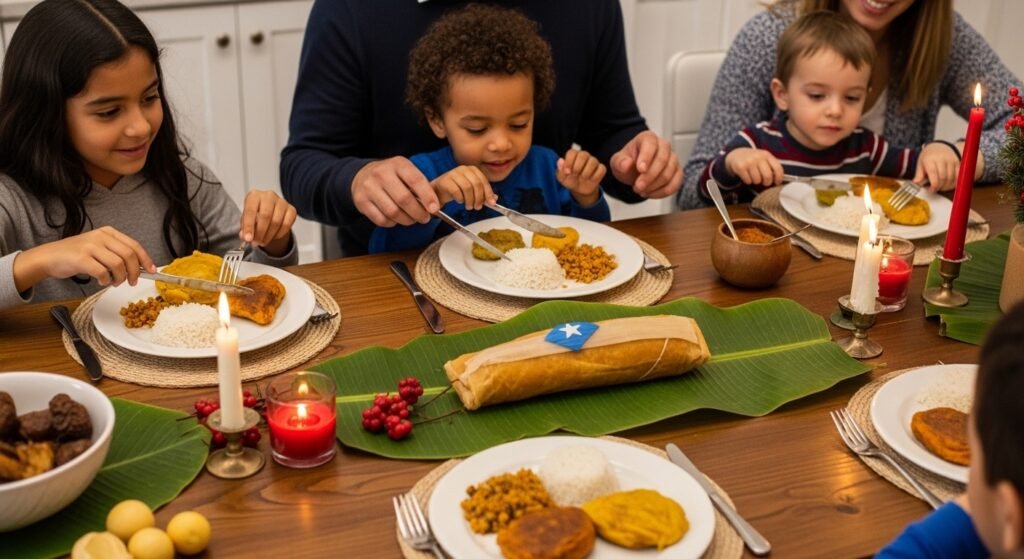
This authentic recipe for pasteles Puerto Rican gives you everything you need to create a traditional homemade dish full of flavor and heart. From preparing the savory pork filling to spreading the root vegetable masa and wrapping each bundle with care, every step builds something special. The banana leaves, spices, and slow cooking come together to make a meal that feels like a celebration.
Making pasteles takes time and a little practice, but the rewards are big. You get tender, tasty food that brings family and friends together. Whether you cook them for the holidays or just because, these pasteles will fill your home with wonderful smells and happy memories. Try this easy guide at your own pace, and enjoy the process as much as the eating. Each time you make them, you carry on a beautiful tradition that connects people across generations.
Disclaimer:
This article provides general information based on traditional methods for making Puerto Rican pasteles. Recipes can vary by family and region. Always follow safe food handling practices, cook meat to proper temperatures, and consult reliable sources for any dietary or health concerns. The author is not responsible for any outcomes from following these steps.
Leave a Reply