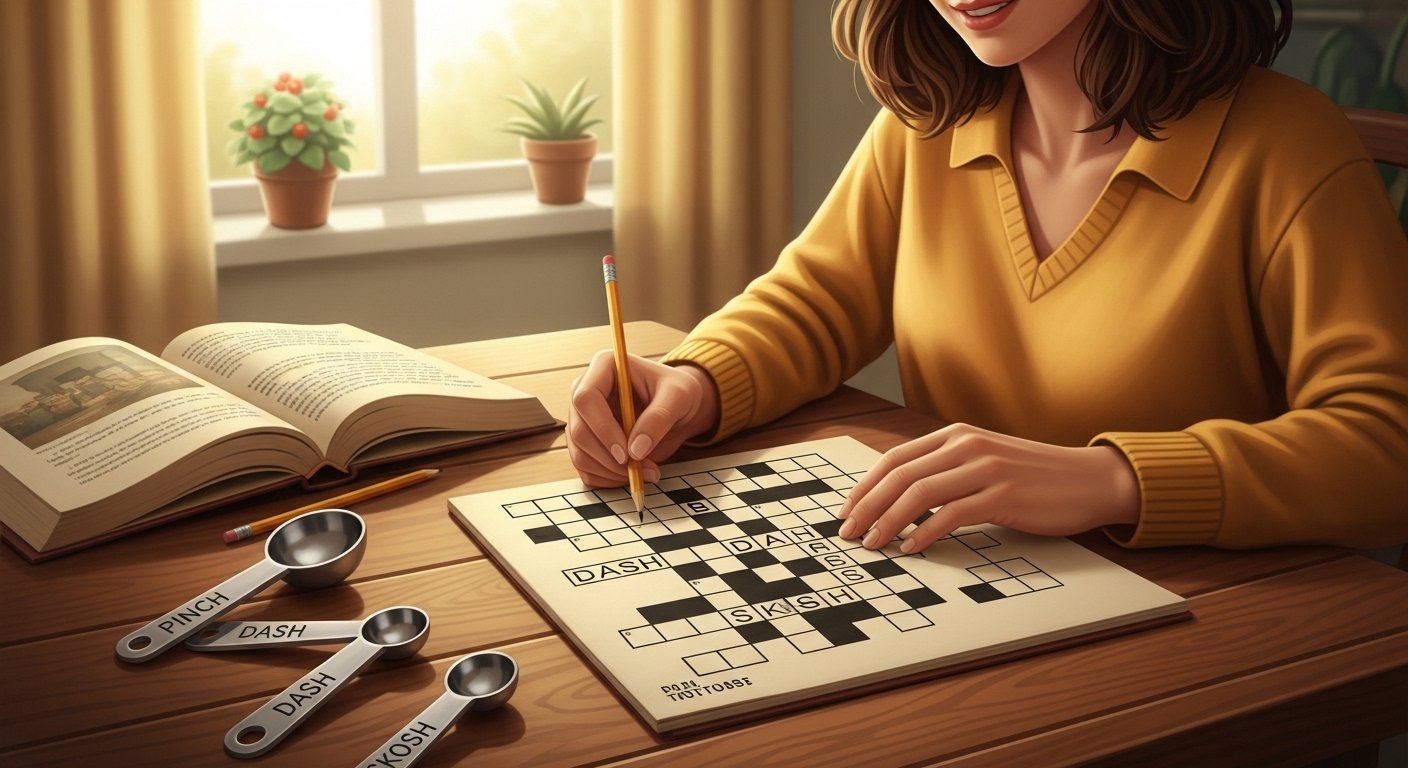
People who love solving crossword puzzles often come across clues that feel tricky at first. One common example is the ambiguous recipe amount crossword clue. This clue points to words that describe amounts in cooking without giving exact numbers. Because recipes sometimes use vague terms like “a little” or “some,” crossword makers turn these into fun challenges.
Many people enjoy crosswords because they mix everyday life with clever word play. When you see an ambiguous recipe amount crossword clue, it usually means the answer is a word that feels unclear on purpose. This makes the puzzle more interesting. Also, understanding these clues helps you solve puzzles faster and feel more confident. In this guide, you will learn simple ways to spot and solve them, step by step.
What Does an Ambiguous Recipe Amount Crossword Clue Mean?
Crossword clues often play with double meanings. An ambiguous recipe amount crossword clue works the same way. In real cooking, people do not always measure everything perfectly. Instead, they might add “a pinch” of salt or “a dash” of spice. These words do not tell you the exact size. That is why they feel ambiguous, or unclear.
Crossword writers notice this and use it in their puzzles. The clue tricks you into thinking about food, but the answer is usually a short word that fits the grid. For example, the clue might appear in a daily newspaper puzzle. After that, you look at the number of letters needed. This helps narrow down the choices. That is why these clues are popular—they connect cooking habits with puzzle solving in a smooth way.
Next, think about how recipes really work in kitchens around the world. Grandmothers often say “add some flour until it feels right.” This kind of talk is full of vague amounts. Crossword clues borrow from that language. In addition, the clues teach you new words while you relax with your puzzle book or app.
Common Answers for Ambiguous Recipe Amount Crossword Clues
One frequent answer for the ambiguous recipe amount crossword clue is SKOSH. This five-letter word means a small or vague amount. It came from military talk long ago and now shows up in cooking or casual speech. When you see a five-letter slot and the clue mentions recipes, SKOSH often fits perfectly.
Another common answer is DASH. This four-letter word appears in many puzzles. In recipes, a dash means a quick pour or shake of liquid, like hot sauce. Because it is not exact, it feels ambiguous. For instance, you might read “add a dash of vinegar” in an old cookbook. That same word then becomes a great crossword answer.
PINCH is also popular. It usually has five letters. People use a pinch when they grab a tiny bit between their fingers, such as a pinch of cinnamon. This word connects directly to how we cook at home. Over time, crossword fans learn to watch for these small-amount words when the clue sounds vague.
Other possibilities include TAD, which means a tiny bit, or SOME, which is very general. These short words help fill tricky spots in the grid. Another thing is that crossing letters from other answers give you extra hints. For example, if you already have the letter “S” at the start, SKOSH becomes much easier to see.
Why Do Crossword Makers Use These Clues?
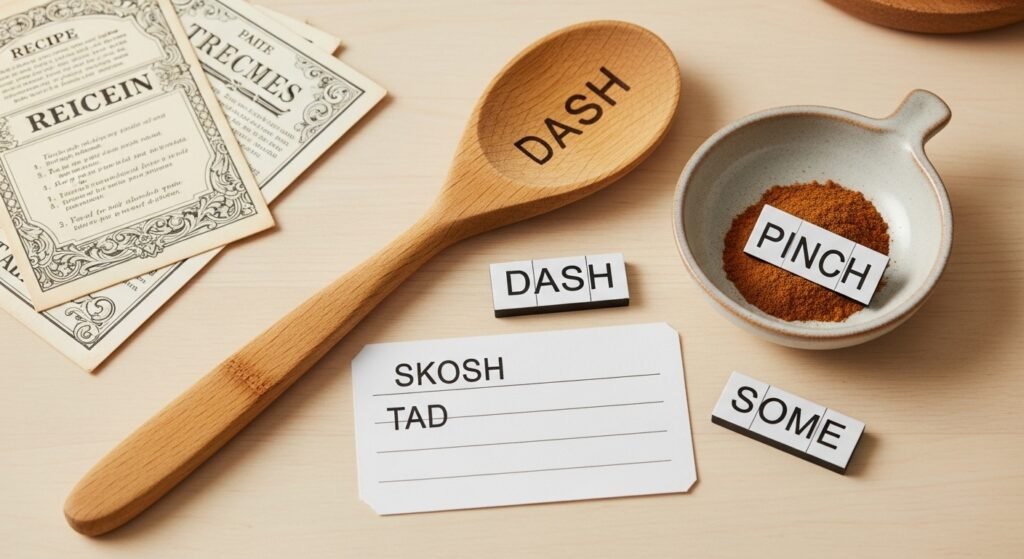
Puzzle creators want to keep things fun and a little challenging. An ambiguous recipe amount crossword clue does exactly that. It uses words from daily life, so beginners feel welcome. At the same time, experienced solvers enjoy the clever twist.
Because cooking is something almost everyone does, these clues feel familiar. You might remember helping in the kitchen as a child. Your mom would say “just a splash of milk.” Later, when you see a similar clue in a puzzle, the memory helps you solve it quickly. This connection makes crosswords more than just a game—it becomes a friendly reminder of real moments.
In addition, these clues appear in many different newspapers and books. They work well because they can fit various grid sizes. Short answers like DASH or TAD are easy to place. Longer ones like SKOSH add variety. That is why you will keep seeing the ambiguous recipe amount crossword clue in new puzzles year after year.
Simple Tips to Solve Ambiguous Recipe Amount Crossword Clues
Solving these clues gets easier when you follow a few gentle steps. First, read the clue carefully. Notice if it mentions recipes or cooking. This tells you the answer is probably a vague measuring word.
Next, count the empty squares in the grid. A four-letter space often points to DASH or TAD. A five-letter space might mean SKOSH or PINCH. After that, look at the letters you already have from other answers. Even one or two letters can guide you to the right word.
Another helpful tip is to think about how people talk in kitchens. They rarely say “exactly 0.5 grams.” Instead, they use loose terms. This real-life habit matches the spirit of the clue. For example, imagine baking cookies with your family. Someone says “add a bit more sugar.” That “bit” could inspire a crossword answer.
Also, practice with old puzzles. Over time, you will recognize patterns. Many Sunday puzzles include at least one food-related clue. When you spot an ambiguous recipe amount crossword clue, you will smile because you know what to try first.
If you feel stuck, take a short break. Walk around or drink some water. Fresh eyes often see the answer right away. This simple habit helps with all kinds of tricky clues, not just recipe ones.
Real-Life Examples That Make These Clues Easier to Remember
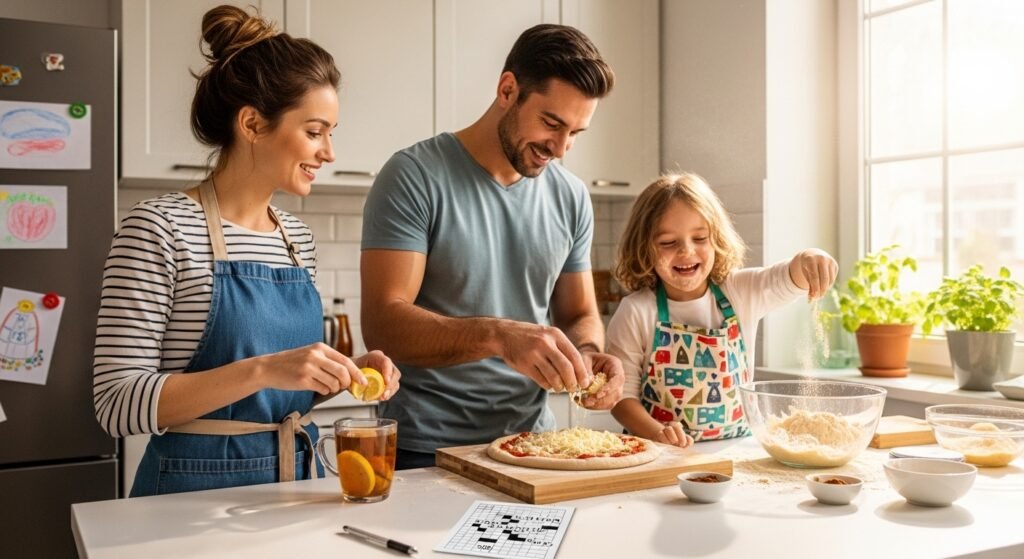
Let us use a simple story. Suppose you are making soup. The recipe says “a handful of herbs.” That handful is ambiguous because hands come in different sizes. In a crossword, this idea might become the clue for a word like DASH or PINCH.
Another example comes from making tea. You might add “a splash” of lemon. The word SPLASH can sometimes appear in puzzles as a vague amount. Because these actions happen every day, the clues stick in your mind naturally.
Think about kids learning to cook. They love to sprinkle “some” cheese on pizza. The word SOME is short, simple, and often the answer for vague amount clues. When you connect the clue to these happy kitchen memories, solving becomes more enjoyable and less like hard work.
These examples show why the ambiguous recipe amount crossword clue feels so natural. It comes from ordinary life. That is why even new puzzle solvers can guess correctly after a little practice.
Mistakes to Avoid When Facing These Clues
Everyone makes mistakes sometimes, and that is okay. One common error is looking only for exact measurements like CUP or TEASPOON. But the ambiguous recipe amount crossword clue wants something less precise. So remember to think vague, not exact.
Another mistake is ignoring the letter count. If the space needs four letters, do not waste time on longer words. Stick to the grid size, and the choices become much smaller.
Also, do not get frustrated if the first guess does not fit. Crossword solving is like cooking—you adjust as you go. Try different letters and see what works with the crossing words. This patient approach leads to more success.
In addition, avoid rushing through the whole puzzle. Take time with each clue. When you reach an ambiguous recipe amount crossword clue, slow down and enjoy the word play. Rushing often causes you to miss easy answers.
How These Clues Have Changed Over Time
Crossword puzzles have been around for many years. In older puzzles, clues were sometimes very formal. Today, they feel more relaxed and include everyday language from cooking. That change makes modern puzzles friendlier for everyone.
In 2026, you still see the same favorite answers like SKOSH and DASH. But new puzzles might add fresh twists or combine the clue with other themes, such as holidays or seasons. For instance, a winter puzzle might link a vague amount of spice to warm drinks.
Because language grows, crossword makers keep finding new ways to use old ideas. This keeps the game exciting without making it too difficult. That balance is one reason people return to puzzles again and again.
FAQ About Ambiguous Recipe Amount Crossword Clues
What is the most common answer for an ambiguous recipe amount crossword clue? Many puzzles use SKOSH as the answer, especially for five-letter spaces. It simply means a small, unclear amount.
Can the same clue have different answers?
Yes, it can. The answer depends on the grid size and other crossing letters. DASH works well for four letters, while SKOSH fits five.
Why do these clues feel tricky at first?
They use double meanings. The clue sounds like cooking advice, but the answer is a short word that also means “not exact.”
Is there a quick way to recognize this clue? Look for words like “ambiguous,” “vague,” or “imprecise” near “recipe” or “amount.” That pattern usually signals a loose measurement word.
Do beginners need special knowledge to solve them?
No. Simple kitchen experience is enough. Most people already know words like pinch or dash from helping in the kitchen.
What should I do if I cannot find the answer?
Check the letters you already have. Then try common vague words one by one until something fits smoothly.
Are these clues only in big newspapers?
They appear in many places, including small daily puzzles and books for all skill levels.
Wrapping Up Your Crossword Journey
Learning about the ambiguous recipe amount crossword clue opens a new door to puzzle fun. You now know common answers like SKOSH, DASH, and PINCH. You also understand why these clues exist and how to approach them with calm steps.
Each time you solve one, you practice thinking in a flexible way. This skill helps with other hard clues too. In addition, you connect the puzzle world with real moments in the kitchen. That makes the whole experience richer and more satisfying.
Keep practicing every day, even for just ten minutes. Over time, you will spot these clues quickly and feel proud of your progress. Crosswords reward patience and curiosity, just like good cooking does. So pick up your next puzzle with a smile. You already have the tools to enjoy every ambiguous recipe amount crossword clue that comes your way.
Remember, the joy is in the journey of solving, not just finishing fast. Happy puzzling!
Disclaimer:
This article provides general information and examples about crossword clues for entertainment and educational purposes only. Crossword answers can vary depending on the specific puzzle, publication date, and grid design. The content is based on common patterns observed in various crosswords and does not guarantee solutions for any particular puzzle.
Leave a Reply