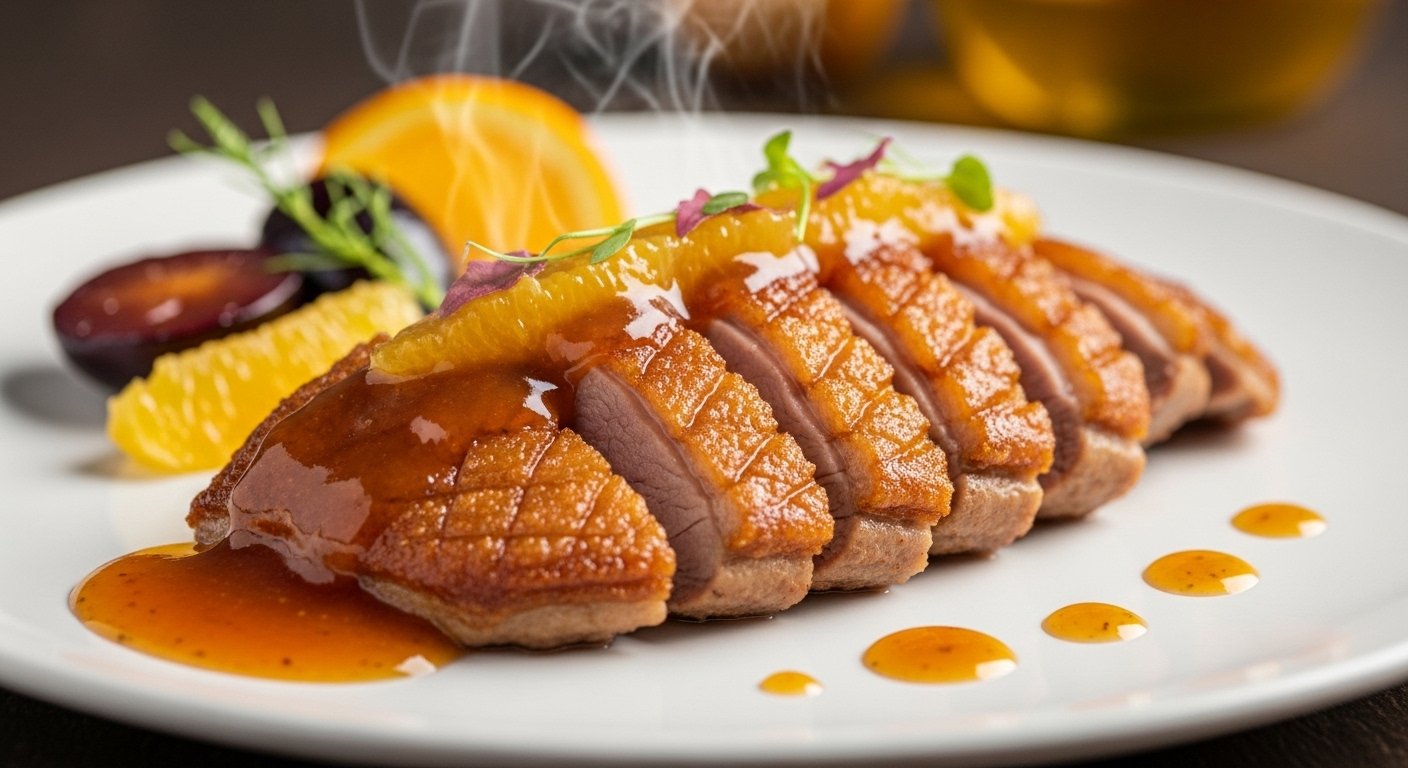
Many people enjoy special meals at home but feel nervous about cooking duck. This duck and sauce recipe changes that. It helps you make crispy duck with golden skin and juicy meat inside. A sweet and tangy homemade sauce goes perfectly with it. This dish tastes fancy, yet you can prepare it in your own kitchen with simple steps. Families and friends will love it for dinner parties or quiet evenings. Once you try this duck and sauce recipe, you will see how rewarding it feels to cook something delicious from start to finish.
Why This Duck and Sauce Recipe Works So Well
Duck meat has a rich flavor that many meats cannot match. Its skin holds lots of fat, which turns wonderfully crispy when cooked the right way. That crispiness adds a fun texture that people enjoy with every bite. The homemade sauce balances the richness because it brings sweetness and a little tang. For example, fruit flavors like orange or plum cut through the fat nicely. This means the whole dish feels complete and satisfying.
Another thing is that this recipe uses easy methods. You do not need special tools or years of experience. Beginners can follow along and still get great results. Over time, you will gain confidence and maybe change small things to make it your own. That’s why this duck and sauce recipe becomes a favorite for many home cooks. It brings restaurant-style food without the high cost or stress.
What You Need for the Duck and Sauce Recipe
Start by gathering simple ingredients that you can find at most stores. For the duck, choose two large duck breasts with the skin still on. The skin is important for that crispy finish. You will also need a little salt, black pepper, and maybe some fresh herbs like thyme if you like extra flavor.
For the flavorful homemade sauce, pick fresh oranges or ripe plums. Other basic items include a bit of honey, garlic, ginger, and a splash of vinegar or soy sauce. These come together quickly on the stove. Keep everything fresh because good ingredients make the final taste much better. This duck and sauce recipe stays simple, so you avoid long shopping lists.
How to Prepare the Duck Before Cooking
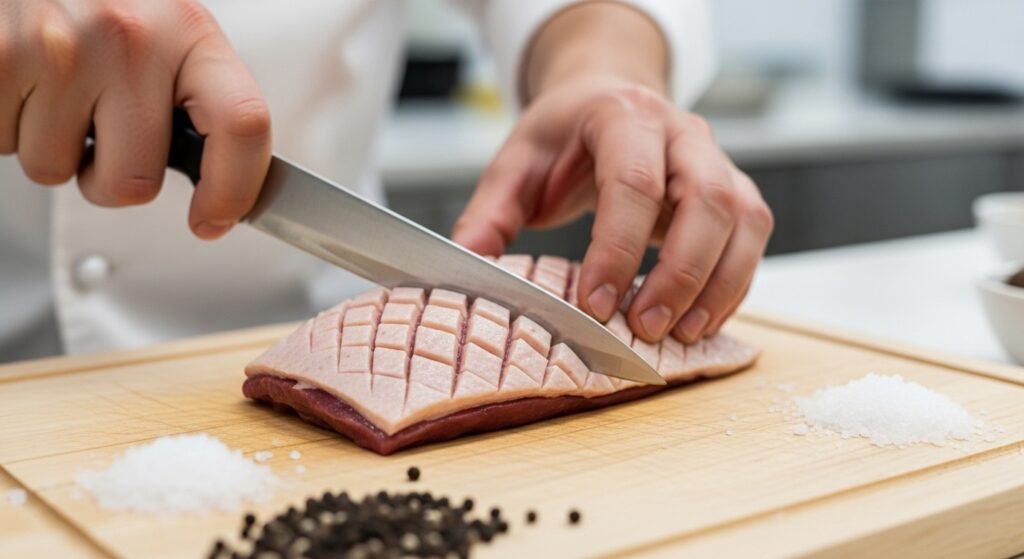
Preparation helps everything cook evenly and taste great. First, take the duck breasts out of the fridge about thirty minutes before you start. This lets them reach room temperature, which means the meat cooks more gently.
Next, pat the skin dry with a clean paper towel. Dry skin crisps up much better because extra moisture can make it steam instead of fry. Then, use a sharp knife to make gentle cuts in the skin. Make lines across the skin like a checkerboard pattern, but do not cut into the meat. This step lets the fat melt out slowly during cooking. After that, sprinkle salt and pepper on both sides.
In addition, you can add a light rub of crushed garlic or herbs. Let the duck sit for a few minutes while you get the pan ready. These small steps build a strong foundation for crispy results in your duck and sauce recipe.
Step-by-Step Guide to Cooking Crispy Duck
Cooking the duck takes patience, but each part is easy. Begin with a cold pan. Place the duck breasts skin-side down in the cold pan, then turn the heat to medium-low. This slow start helps the fat render out without burning the skin. You will see the fat melt and pool around the duck. That melted fat is pure gold for flavor.
Let it cook for about ten to fifteen minutes. The skin should turn deep golden and crispy. Do not move the duck too much during this time because moving it can stop the skin from forming a nice crust. After that, flip the breasts over and cook the meat side for just a few more minutes. The inside should stay pink and juicy for the best texture.
Next, take the duck out of the pan and let it rest on a plate. Resting is very important because the juices settle back into the meat. This means every slice stays moist and tender. While the duck rests, you can make the sauce in the same pan using all those tasty bits left behind. This duck and sauce recipe saves time and builds layers of flavor naturally.
Making the Flavorful Homemade Sauce
The sauce brings everything together in this duck and sauce recipe. While the duck rests, heat the same pan on medium. Add chopped garlic and a little fresh ginger. They cook quickly and fill the kitchen with a wonderful smell.
After that, pour in fresh orange juice or mashed ripe plums. Stir in a spoonful of honey for natural sweetness. A splash of vinegar or soy sauce adds balance and depth. Let the mixture bubble gently and thicken over a few minutes. Stir often so nothing sticks or burns.
This homemade sauce becomes glossy and full of flavor. It complements the crispy duck perfectly because the fruit notes cut through the richness. You can adjust the sweetness or tang based on your taste. For example, extra honey makes it milder for kids, while more ginger adds a gentle kick for adults. The sauce only takes about five to ten minutes, so timing works out nicely.
Serving Your Duck and Sauce Recipe Beautifully
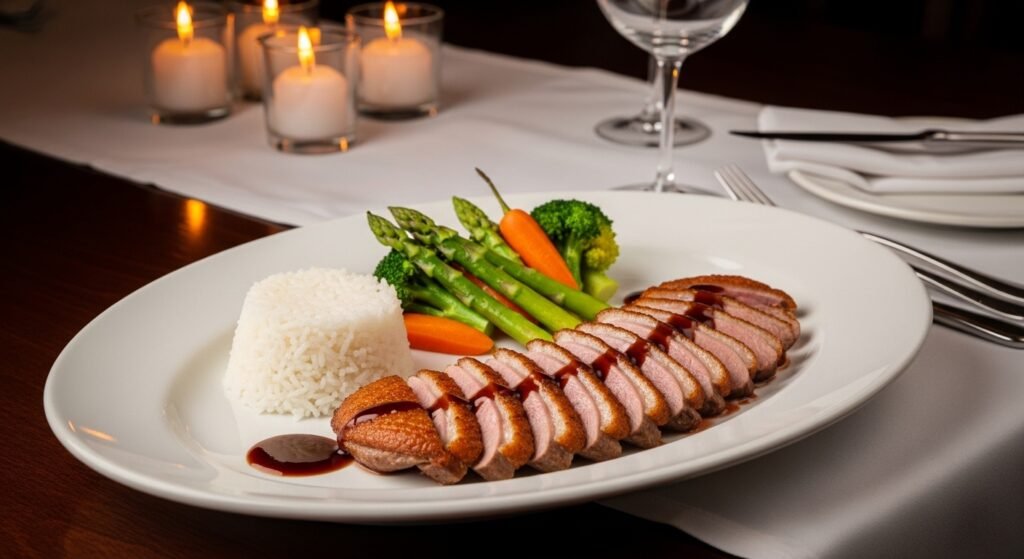
Presentation makes the meal feel extra special. Slice the rested duck breasts into thin pieces. The crispy skin should stay on top for that satisfying crunch. Arrange the slices on warm plates. Spoon the warm homemade sauce over the top or serve it on the side so everyone can add as much as they like.
Side dishes pair well too. Try simple steamed vegetables, roasted potatoes, or fluffy rice. These soak up extra sauce and make the plate colorful. Fresh greens or a light salad also balance the rich duck. Another thing is to serve it family-style on a big platter. This encourages sharing and conversation at the table. Your duck and sauce recipe turns into a memorable experience when served with care.
Common Mistakes to Avoid in This Duck and Sauce Recipe
Even simple recipes have a few pitfalls. One big mistake is starting the duck in a hot pan. The skin can burn before the fat melts properly. Always begin with a cold pan for even rendering. Another common error is cutting into the meat too soon after cooking. Without resting, juices run out and the duck becomes dry.
Also, do not skip scoring the skin. Without those cuts, fat stays trapped and the skin stays chewy instead of crispy. Overcooking the duck is easy too, so watch the time and use a thermometer if you have one. The inside temperature around 130 to 135 degrees Fahrenheit gives juicy results for most people. Learning from these points helps your next try turn out even better.
In addition, taste the sauce as it cooks. This prevents it from becoming too sweet or too sour. Small adjustments during cooking make a big difference in the final dish.
Tips for Success Every Time You Cook Duck
Practice makes this duck and sauce recipe easier each time. Buy good quality duck from a trusted source so the meat stays fresh and flavorful. Keep the skin on because it protects the meat and gives that wonderful crispiness.
Another helpful tip is to save the rendered duck fat. You can use it later for cooking potatoes or vegetables. It adds amazing taste to other meals. Over time, you might try different sauces, such as one with cherries or blackberries, to explore new flavors. Keep notes on what you liked so you can improve your version. These practical ideas turn cooking into a fun skill that grows with you.
Variations to Try with Your Duck and Sauce Recipe
Once you master the basic version, you can add your own touches. For a sweeter sauce, use ripe plums and a touch more honey. Ginger and garlic give an Asian-inspired taste that many people enjoy. You could also try herbs like rosemary for a different aroma.
If you prefer a whole duck instead of breasts, the same ideas work but with longer cooking times in the oven. Slow roasting helps the skin crisp while the meat becomes tender. Experiment safely and keep the core steps the same for reliable results. This flexibility keeps the duck and sauce recipe exciting for repeat meals.
FAQ About the Duck and Sauce Recipe
How long does it take to make this entire duck and sauce recipe?
Most people finish it in about forty-five minutes from start to finish. This includes prep, cooking, and resting time. It fits well into a busy evening.
Can beginners really succeed with crispy duck?
Yes, because the steps break down into clear parts. Follow the cold-pan method and resting time, and you will get good results on your first try.
What if I do not like orange in the sauce?
You can swap it for plums, cherries, or even apples. The idea stays the same: balance richness with fruit and a little tang.
How do I store leftovers from this dish?
Keep sliced duck and sauce in the fridge for up to two days in sealed containers. Reheat gently so the skin stays as crispy as possible.
Is duck very fatty compared to chicken?
Duck has more fat in the skin, but much of it renders out during cooking. The meat itself is lean and full of good nutrients.
Can I make the sauce ahead of time?
Absolutely. Prepare the sauce earlier in the day and warm it up right before serving. Flavors often taste even better after sitting a short while.
What sides work best with this duck and sauce recipe?
Light vegetables, rice, or potatoes pair nicely. They soak up sauce and keep the meal balanced without feeling heavy.
Final Thoughts on Enjoying Your Duck and Sauce Recipe
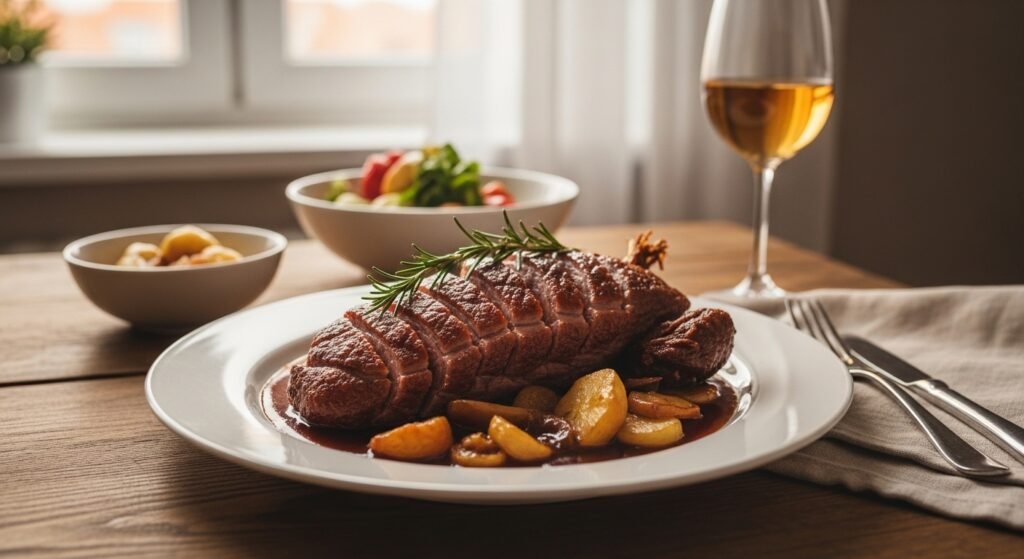
This duck and sauce recipe brings together crispy texture, juicy meat, and a bright homemade sauce in one wonderful meal. Each part works together because careful steps create harmony on the plate. You gain new skills in the kitchen while treating yourself and loved ones to something special. Cooking teaches patience and creativity, and this dish shows those qualities beautifully.
Try it soon, and notice how simple choices lead to impressive results. Good food connects people, and a well-made duck dinner does exactly that. Keep exploring flavors and enjoy every bite along the way.
Disclaimer:
This article provides general information and a basic recipe for educational purposes only. Cooking results can vary based on ingredients, equipment, and personal technique. Always ensure meat is cooked to safe internal temperatures. Consult reliable sources or professionals for specific dietary or health advice. The content is not intended as professional culinary instruction.
Leave a Reply