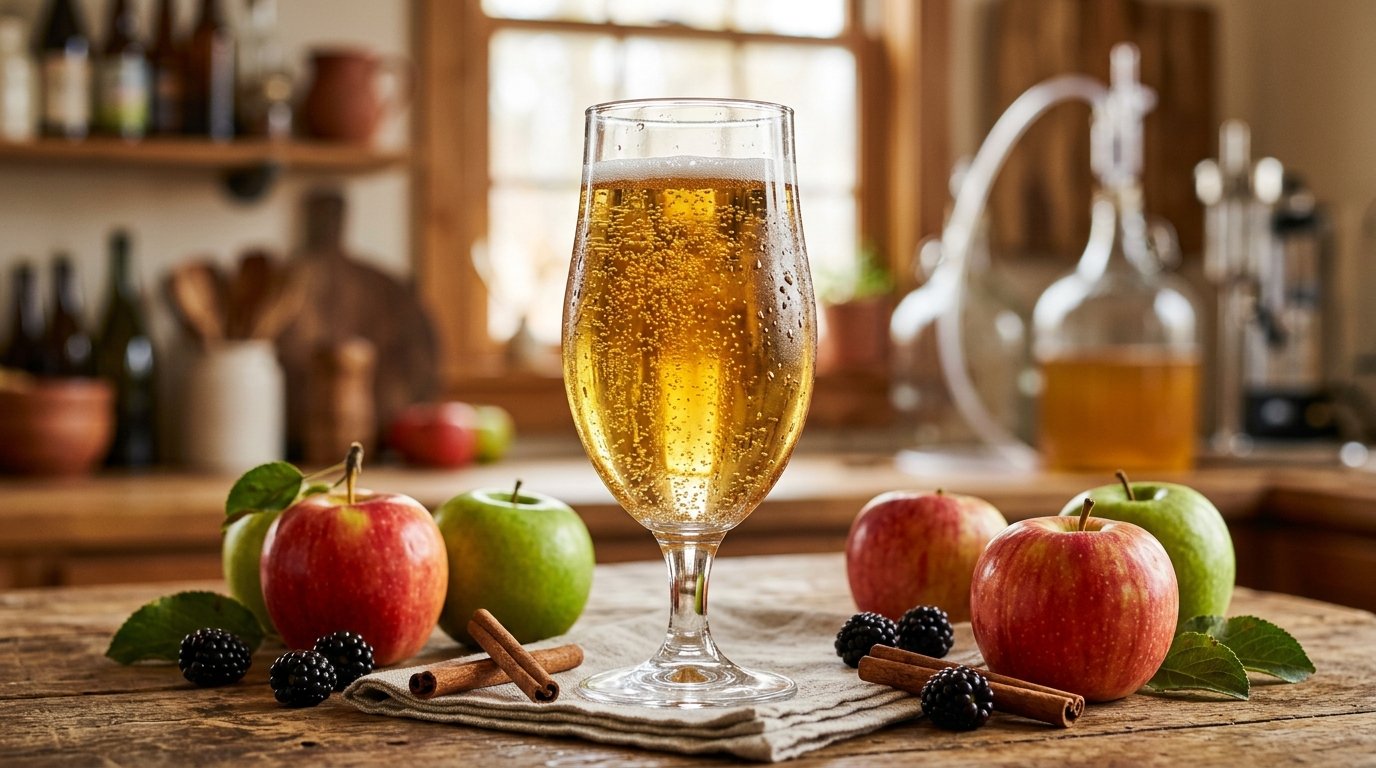
Hard cider tastes crisp, refreshing, and full of natural apple flavor. Many people enjoy making their own hard cider recipe at home because it feels fun and saves money. You can create a simple homemade hard cider recipe with just a few basic items. This guide shares easy steps for beginners. It covers 1 gallon hard cider recipe and 5 gallon hard cider recipe sizes. You will also learn hard cider recipe from apple juice and from fresh apples. After that, you will discover tasty fruit and spiced versions too.
Making hard cider at home connects you with an old tradition. People have turned apples into bubbly drinks for hundreds of years. Today, you can follow the same simple ideas in your kitchen. The process uses natural fermentation. Yeast eats the sugar in the juice and makes alcohol. This means you get a light alcoholic drink with real fruit taste. Best of all, you control the sweetness and strength. Let us walk through everything together so you feel confident from the first batch.
Why Homemade Hard Cider Tastes So Good
Fresh apples or good quality apple juice give the best flavor. When you make it yourself, you avoid extra chemicals that some store drinks have. A simple hard cider recipe lets the natural apple taste shine. Over time, the drink develops smooth layers of flavor. Many beginners start with store-bought juice because it is easy and clean. Others love pressing fresh apples for a true old fashioned hard cider recipe. Both ways work well and create delicious results.
Another thing is that homemade cider costs less than buying bottles. One batch can last for weeks in the fridge. You can also change the recipe to match your favorite taste. Some people like it sweet while others enjoy it dry. This guide shows you how to make both. In addition, you will learn safe steps so your cider turns out clear and tasty every time.
Basic Things You Need for Any Hard Cider Recipe
Before you begin, gather a few simple tools. You will need a clean container called a fermenter. Many people use a food-grade bucket or a big glass jug. You also need an airlock that lets gas escape but keeps air out. A long spoon or stick helps stir. Finally, you need bottles that can hold pressure and caps or corks.
For the ingredients, start with apple juice or fresh apples. Choose juice with no preservatives because they can stop fermentation. Next, pick a good yeast made for cider or wine. Some people add sugar or honey to make the drink stronger. That is why reading the yeast package helps you decide how much to use. Clean everything very well with hot water or a special cleaner made for brewing. This step prevents bad tastes or spoiled batches.
Easy 1 Gallon Hard Cider Recipe
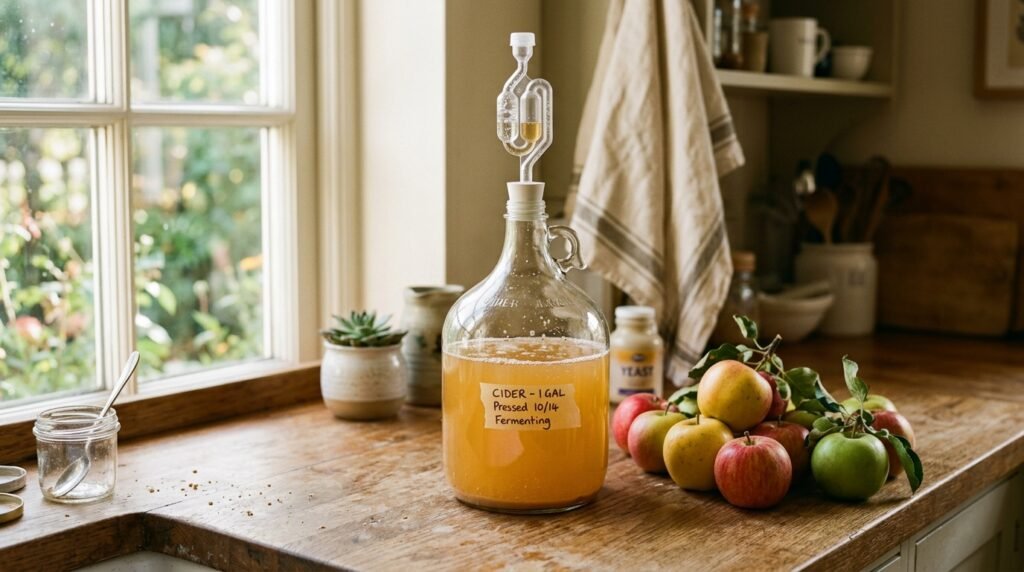
A 1 gallon hard cider recipe is perfect for beginners. It uses a small space and finishes quickly. Start with one gallon of fresh apple juice. Pour it into your clean fermenter. This means you have room to add other things later.
Add one packet of cider yeast. Stir gently for one minute so the yeast mixes in. Many people also add half a cup of sugar if they want a stronger drink. Cover the container with the airlock. Place it in a dark spot where the temperature stays around 65 to 75 degrees. After one week, the bubbling slows down. This shows the main fermentation is finishing.
Next, carefully move the liquid to another clean container. Leave the cloudy part at the bottom. This process is called racking. Let it sit for two more weeks. The cider becomes clearer over time. After that, taste a small amount. If you like it sweet, add a little sugar or juice now. Pour into bottles and seal them. Wait one more week in a cool place. Your easy hard cider recipe is ready to drink and share with friends.
Scaling Up to a 5 Gallon Hard Cider Recipe Homebrew
Once you feel comfortable with small batches, try a 5 gallon hard cider recipe homebrew. It makes enough to share or store for months. Use five gallons of good apple juice or fresh pressed cider. Follow the same steps as the small batch but use five times the yeast and sugar if needed.
A larger container works best. Many home brewers use a 6 or 7 gallon bucket so there is space for foam. Stir carefully because the volume is bigger. Keep the temperature steady because big batches can get warmer in the middle. After the first week of active bubbling, rack the cider into a clean 5 gallon container. Let it rest for three to four weeks. This longer time helps flavors blend nicely.
When you bottle five gallons, you will need about 50 twelve-ounce bottles. Some people add a small amount of sugar to each bottle for natural bubbles. This creates a sparkling hard cider. Store the bottles in a cool, dark place. Over time, the taste improves and becomes smoother. That is why many people say the 5 gallon size feels rewarding after the first try.
Hard Cider Recipe from Apple Juice
A hard cider recipe from apple juice is one of the easiest ways to start. Buy fresh, pure apple juice from the store or farm. Make sure it has no potassium sorbate because that stops yeast from working. Pour the juice straight into your fermenter.
This method saves time because you skip pressing apples. The flavor still tastes bright and fruity. Many beginners love this simple hard cider recipe because cleanup is fast. You can even mix two kinds of juice, like apple and pear, for extra taste. After fermentation, the drink turns into a light alcoholic cider with 5 to 8 percent alcohol. Taste it after three weeks total and adjust sweetness before bottling.
Hard Cider Recipe from Apples
For a true homemade hard cider recipe from apples, start with fresh fruit. Wash and cut about 30 to 40 pounds of apples for a 5 gallon batch. Use a mix of sweet, tart, and sharp apples for balanced flavor. Crush or press the apples to get the juice. This step takes effort but gives wonderful results.
Pour the fresh juice into your fermenter right away. Add yeast and follow the same steps as before. Fresh apple cider has natural wild yeasts sometimes, but adding your own yeast gives more control. The old fashioned hard cider recipe often uses this fresh method. After pressing, the juice tastes clean and bright. Fermentation brings out deep apple notes that feel special on a cool evening.
Fruit Variations for Tasty Twists
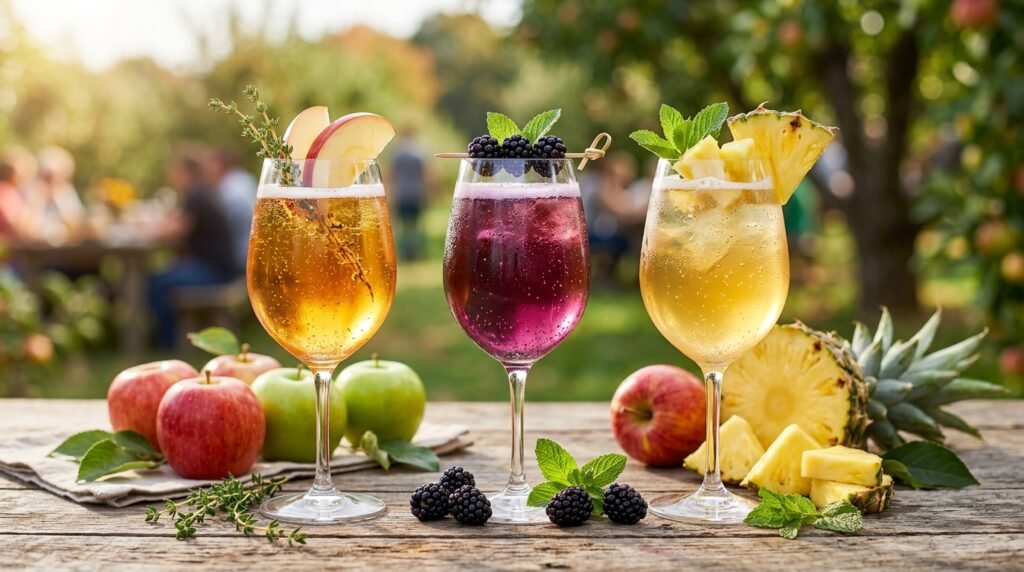
You can add other fruits to make new flavors. A pear hard cider recipe mixes well with apples. Use half apple juice and half pear juice for a soft, sweet taste. Blackberry hard cider recipe adds beautiful color and berry notes. Crush one or two pounds of blackberries and add them during the first fermentation. The color turns lovely pink or purple.
Pineapple hard cider recipe brings tropical sweetness. Add one cup of pineapple juice or small chunks during secondary fermentation. The bright taste feels refreshing in summer. Each fruit adds its own sugar and flavor, so taste carefully before bottling. These fruit versions show how creative a best hard cider recipe can become.
Sweet, Spiced, and Hot Hard Cider Recipe Ideas
A sweet hard cider recipe keeps more natural sugars. Stop fermentation early or add sugar after the main process. This creates a gentle, dessert-like drink. Many people enjoy it chilled.
For a spiced hard cider recipe, add cinnamon sticks, cloves, and a little ginger during secondary fermentation. These warm spices feel perfect in fall. Remove the spices after a few days so the taste stays balanced. A mulled hard cider recipe warms the finished drink on the stove with extra spices and orange slices. Serve it hot in mugs for cold nights. The steam carries wonderful smells through the house.
Common Mistakes to Avoid
Many beginners add too much sugar at the start and end up with very strong or overly sweet cider. Start small and taste often. Another mistake is skipping the cleaning step. Dirty tools can create bad flavors or vinegar taste. Always clean and sanitize everything.
Temperature swings can stop fermentation or create off tastes. Keep the container in one steady spot. Also, bottling too early causes exploding bottles because extra gas builds up. Give the cider enough time to finish working. These careful habits help every batch turn out great.
How to Store and Serve Your Homemade Cider
After bottling, keep the cider in a cool place away from sunlight. It lasts for many months and often tastes better after one or two months. Chill the bottles before serving for the best crisp feeling. Pour slowly so the sediment stays at the bottom. Friends love trying different flavors at small gatherings.
FAQ About Hard Cider Recipes
How long does it take to make hard cider?
Most simple recipes need three to six weeks total. The first week is active bubbling, and the rest is waiting for clear, smooth taste.
Can I use a hard cider recipe kit?
Yes, kits provide yeast, instructions, and sometimes flavor packets. They make the process even easier for first-timers.
What makes the best hard cider recipe?
Fresh ingredients, clean tools, steady temperature, and patience create the best results. Taste and adjust as you learn.
Is hard cider recipe from apples better than juice?
Both work well. Fresh apples give deeper flavor while juice offers convenience and consistency.
How strong is homemade hard cider?
Most home batches reach 5 to 8 percent alcohol. Adding sugar can increase the strength a little.
Can I make hot hard cider recipe for parties?
Yes, warm finished cider with spices on the stove for a cozy drink that everyone enjoys.
What if my cider tastes too dry?
Add a small amount of apple juice or sugar before bottling to bring back sweetness.
Final Thoughts on Making Your Own Hard Cider

Creating hard cider at home brings joy and satisfaction. You learn new skills while making a drink you truly enjoy. Start small with a 1 gallon hard cider recipe, then grow to larger batches when you feel ready. Try different fruits and spices to discover your favorite style. Each batch teaches something new and improves your technique.
The simple process connects you with nature and tradition in a modern way. Share your creations with family and friends. They will love the fresh taste and your helpful stories about how you made it. Keep experimenting safely and have fun every step of the way. Your next glass of homemade hard cider is waiting.
Disclaimer:
This article provides general information for educational purposes only. Always follow local laws regarding alcohol production and consumption. Drink responsibly. The author and publisher are not responsible for any outcomes from following these general guidelines. Results may vary based on ingredients, equipment, and conditions.
Leave a Reply