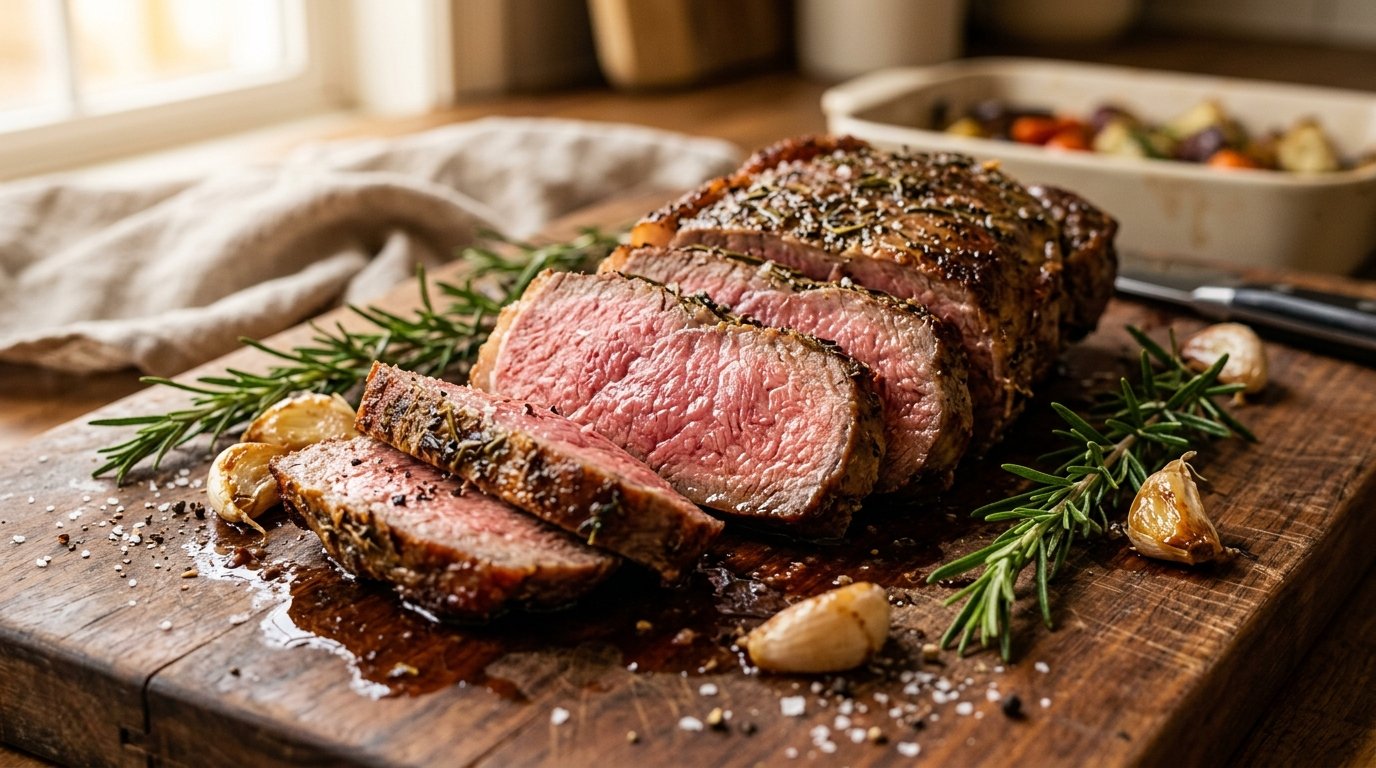
A New York steak roast brings wonderful flavor and tenderness to your table without much hard work. This big cut of beef comes from the short loin area. It has great marbling that keeps the meat juicy while it cooks in the oven. Many people love this new york steak roast recipe because it turns out tender every time and feels special for family dinners or holidays. You do not need fancy tools or years of cooking experience. With simple steps and a good meat thermometer, you can make a roast that looks and tastes like it came from a fine restaurant.
This guide will walk you through everything step by step. You will learn how to pick the right meat, prepare it well, cook it perfectly in the oven, and serve it so everyone enjoys every bite. Because good cooking starts with understanding the basics, we will also talk about common mistakes and easy ways to fix them.
Why Choose a New York Steak Roast for Your Meal
New York strip roast gives you rich beef taste in every slice. The meat has nice fat that melts slowly during cooking. This keeps the inside moist and full of flavor. Unlike some other cuts that can dry out fast, this one stays tender when you roast it right. Families often pick it because it feeds many people and costs less than prime rib but still feels fancy.
Another great thing is how easy it is to season. You can use basic salt and pepper or add garlic and herbs for extra taste. Over time, people have found that oven roasting brings out the best in this cut. The high heat at the start makes a beautiful brown outside while the lower heat finishes the inside gently. That is why so many home cooks return to this new york steak roast recipe again and again.
Picking the Best New York Strip Roast
Start by looking for a boneless New York strip roast that weighs about three to five pounds. This size cooks evenly and serves six to ten people nicely. Check the color. Good beef looks bright red with white fat streaks running through it. These streaks, called marbling, help make the roast juicy and tender.
Ask your butcher for a roast from the loin area if you can. Try to choose one with even thickness so every slice cooks the same. Bring the meat home and pat it dry with paper towels. This step removes extra moisture on the surface. Because dry meat browns better, it helps create that tasty crust everyone loves. Let the roast sit out for one to two hours until it reaches room temperature. Cold meat cooks unevenly, so this wait time matters a lot.
Simple Ingredients for Great Flavor
You only need a few things for this new york steak roast recipe:
- One 3 to 5 pound boneless New York strip roast
- 2 to 3 tablespoons olive oil or another mild oil
- 2 teaspoons kosher salt
- 1 teaspoon fresh ground black pepper
- 4 to 6 garlic cloves, minced or cut into small slices
- 1 tablespoon fresh rosemary or thyme, chopped (or 1 teaspoon dried)
- Optional: a little steak seasoning without salt
These ingredients work together nicely. The salt draws out flavor while the garlic and herbs add a lovely smell and taste. Olive oil helps everything stick and promotes browning. Keep it simple so the natural beef taste shines through.
Step-by-Step Preparation Before Cooking
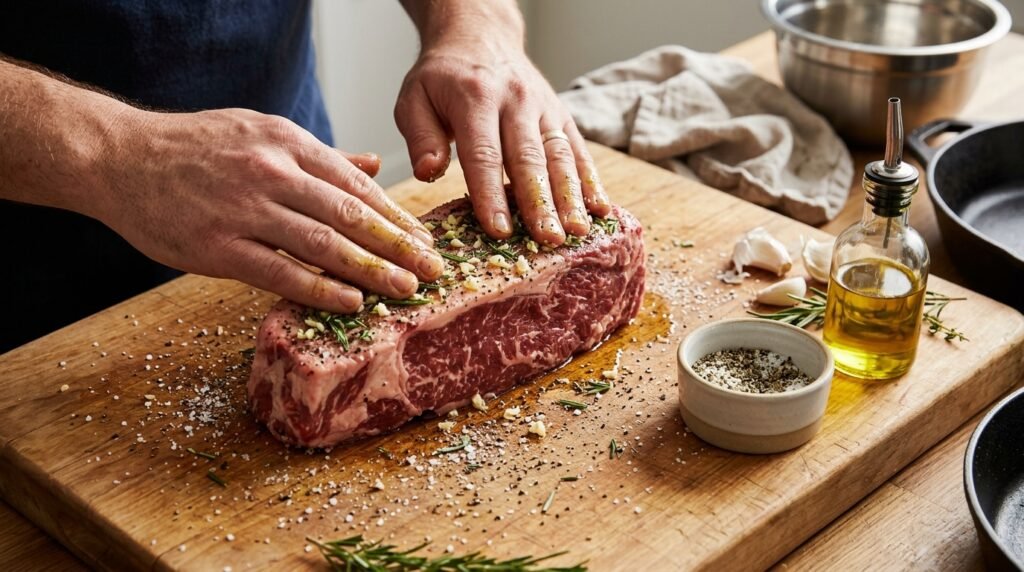
First, mix the salt, pepper, garlic, and herbs in a small bowl. Rub the entire roast with oil. Then press the seasoning mix all over the meat, especially on the fat side. Some cooks like to make small cuts in the fat and push garlic inside. This trick lets the flavor go deeper into the meat.
After seasoning, place the roast on a plate and cover it loosely. Put it in the fridge for a few hours or overnight if you have time. This dry brining step makes the meat more tender and flavorful. When you are ready to cook, take it out and let it warm up on the counter. In addition, preheat your oven so it reaches the right temperature when the meat is ready.
Easy Oven Roasting Method for Juicy Results
Many people use this high-heat start followed by lower heat method because it works well every time. Preheat your oven to 450 degrees Fahrenheit. Put the roast fat side up on a rack inside a roasting pan. The rack lets air flow all around so the meat cooks evenly.
Place the pan in the hot oven and roast for about 15 minutes. This high heat creates a nice brown crust on the outside. After that, lower the temperature to 325 degrees Fahrenheit. Continue cooking until the inside reaches the temperature you like. For medium-rare, take it out when the thermometer reads about 130 degrees in the thickest part. The meat will keep cooking a little more while it rests and reach the perfect 135 degrees.
A meat thermometer is your best friend here. Insert it into the center without touching bone or fat. Because every oven is a little different and roasts vary in size, checking the temperature is the safest way to get juicy, tender results. For a four-pound roast, the total time after lowering the heat is usually 35 to 50 minutes.
Reverse Sear Option for Extra Tenderness
Another popular way is the reverse sear method, which many cooks now prefer in 2026. Start by cooking the roast at a low 225 to 250 degrees Fahrenheit until the inside reaches about 110 degrees. This slow cooking makes the meat very tender all the way through. Then take it out, cover it lightly with foil, and let it rest while you heat the oven to 500 degrees. Put it back in for 10 to 15 minutes to get a beautiful crust.
This method gives you more control and often results in even juicier meat. Try both ways and see which one you like best for your new york steak roast recipe. The key is always watching the internal temperature.
Resting and Slicing for Maximum Juiciness
After you take the roast out of the oven, let it rest for 15 to 20 minutes. Cover it loosely with foil. During this time, the juices move back into the meat instead of running out when you cut it. This resting step is very important for tender slices.
When you are ready to serve, place the roast on a cutting board. Use a sharp knife to cut thin slices across the grain. Cutting against the grain makes the meat easier to chew. Serve it right away while it is still warm. Many families enjoy it with simple sides like roasted vegetables, mashed potatoes, or a fresh green salad. The natural juices from the pan can also make a quick sauce if you skim off the fat and warm them on the stove.
Common Mistakes to Avoid for Perfect Results
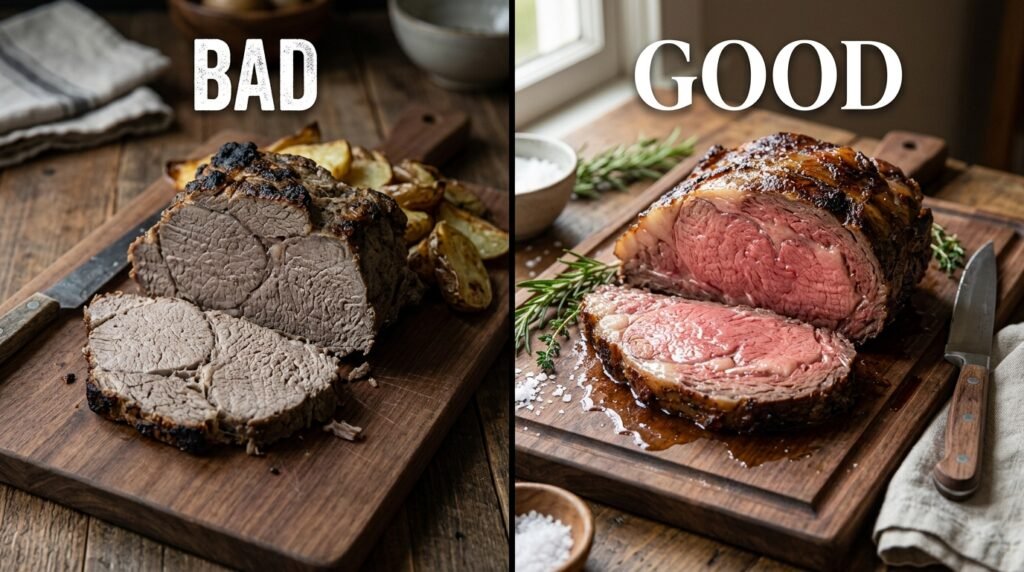
One big mistake is cooking the meat straight from the fridge. Cold centers stay underdone while the outside gets too brown. Always let it come to room temperature first. Another error is skipping the thermometer. Guessing the time can lead to dry or overcooked roast.
Do not forget to pat the meat dry before seasoning. Wet meat steams instead of browning. Also, avoid cutting into the roast too soon. Waiting for that rest time keeps it juicy. Over time, home cooks learn that these small steps make a huge difference in how the final dish tastes. For example, a friend once served a dry roast because he sliced it immediately, but after learning to rest it, his next one was perfect.
Tips for Even Better Flavor and Texture
Add fresh herbs like rosemary right before cooking for a nice aroma. You can also rub the roast with a little mustard for extra taste without changing the main flavor much. If your roast has a thick fat cap, score it lightly in a diamond pattern. This helps the fat render nicely and seasons the meat better.
Choose good quality beef when you can. It does not have to be the most expensive, but fresh meat from a trusted source makes the meal special. In addition, think about the size of your pan. A tight fit keeps the heat even. These little ideas help turn a basic new york steak roast recipe into something truly memorable.
How to Store and Enjoy Leftovers
If you have leftovers, let them cool completely before putting them in the fridge. Store slices in an airtight container for up to four days. To reheat, place them in a low oven with a little broth or gravy to keep them moist. You can also use cold slices for sandwiches or salads the next day. The meat stays tender and tasty even when cold.
For longer storage, freeze the slices wrapped tightly. They will keep well for two to three months. Thaw them in the fridge overnight before using. This way, you can enjoy your hard work for several meals.
FAQ About New York Steak Roast Recipe
How long does it take to cook a New York strip roast?
It depends on the size, but plan for about 15 minutes at high heat plus 10 to 15 minutes per pound at lower heat. Always use a thermometer for the best results.
What temperature is best for medium-rare?
Remove the roast from the oven at 130 degrees Fahrenheit. It will reach about 135 degrees after resting. This keeps it pink, juicy, and very tender.
Can I cook this roast without a rack?
Yes, but a rack helps air flow better. If you do not have one, make a loose coil from foil and place the meat on top.
Is New York strip roast the same as prime rib?
No. Prime rib comes from the rib area and has different bones and fat. New York strip roast is leaner but still very flavorful.
What sides go well with it?
Roasted potatoes, carrots, green beans, or a simple salad pair nicely. The roast flavors go well with many vegetables.
How do I make it more tender?
Season ahead of time, cook slowly, and rest properly. Good marbling in the meat also helps a lot.
Can beginners try this recipe?
Absolutely. Follow the steps and use a thermometer. You will gain confidence quickly and make great meals.
Final Thoughts on Making Your Own Perfect Roast
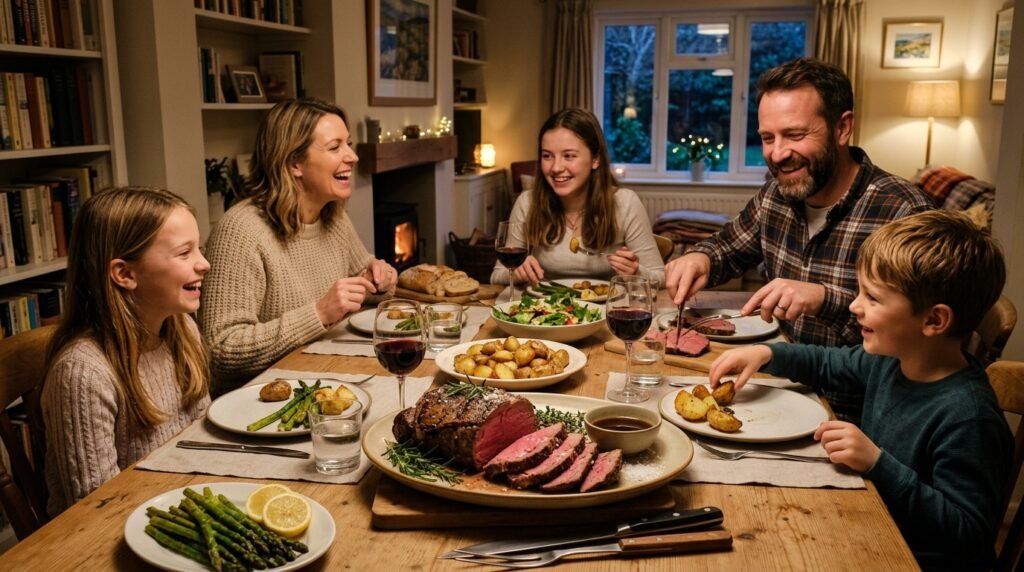
Cooking a New York steak roast in the oven is a rewarding way to bring people together around good food. With simple preparation, careful temperature control, and a little patience during resting, you create something juicy, tender, and full of flavor. This method works well for both weeknight dinners and special occasions because it is reliable and delicious.
Try it soon and notice how the natural tastes of the beef shine through. Each time you make it, you can adjust the herbs or sides to match your family’s favorites. Enjoy the process and the wonderful meal that follows. Happy cooking!
Disclaimer:
This article provides general cooking information based on common practices. Cooking times and results can vary depending on your oven, meat size, and other factors. Always use a food thermometer to ensure safe internal temperatures. Consult reliable sources for food safety guidelines. The content is for informational purposes only and not intended as professional culinary advice.
Leave a Reply